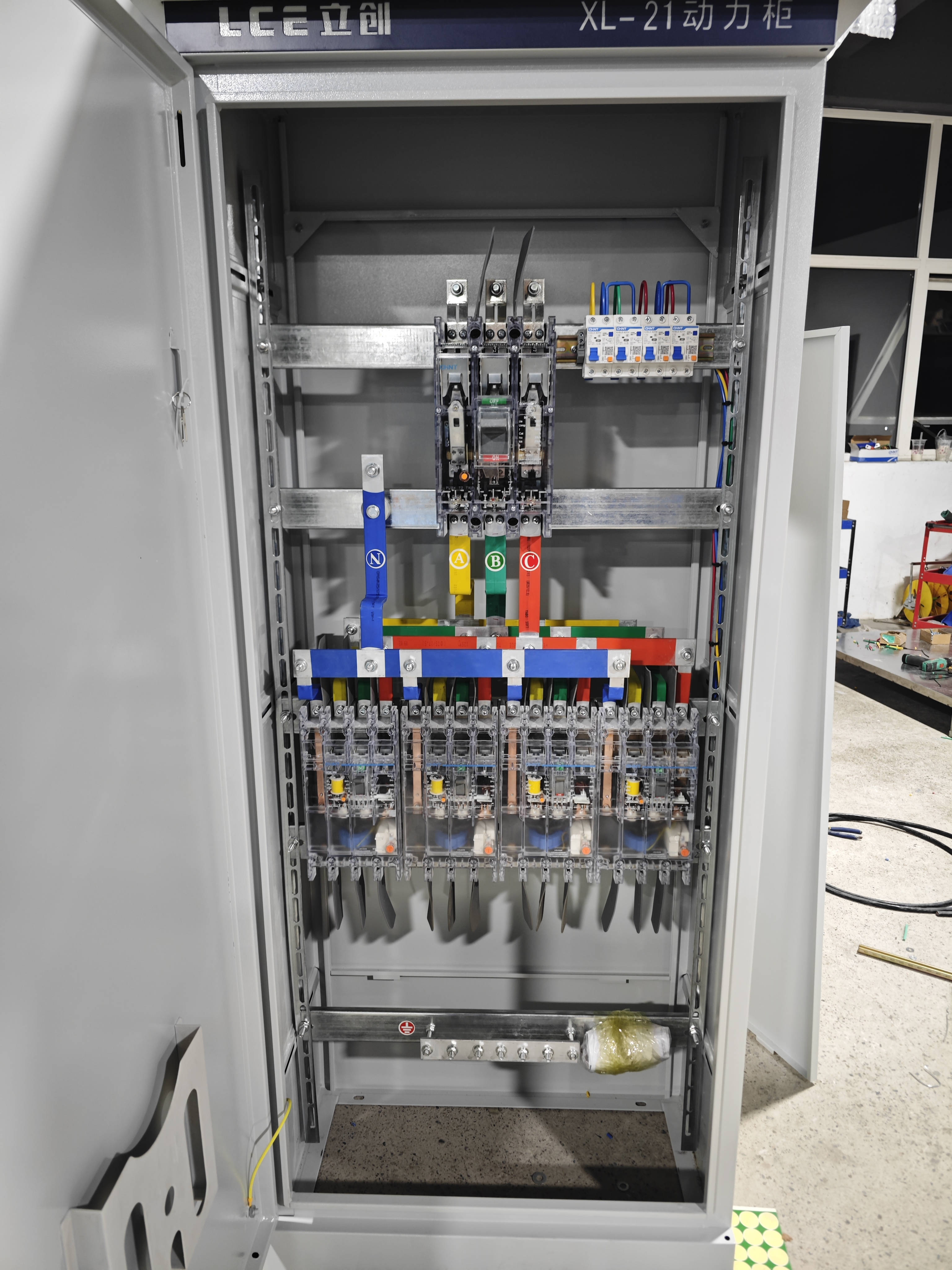
This guide is prepared by senior electrical engineering experts from Henan Lichuang Electrical Equipment Co., Ltd., a leading industrial power distribution solution provider with 16 years of industry experience, to address common questions from global electrical engineers, procurement specialists and facility managers regarding smart lighting distribution box functionality. The question of whether smart lighting distribution boxes support APP-based control is a frequent pain point for teams upgrading municipal lighting, commercial building and industrial park power systems, often caused by mismatched product specifications, unclear smart function configurations and lack of standardized integration guidance. Drawing on 3000+ B2B client project cases and 20+ proprietary technology patents, we outline verified, actionable guidance to help teams confirm APP control compatibility, configure remote management functions, and reduce on-site commissioning time. We break down core smart function capabilities, common application scenarios, practical configuration steps and industry best practices for smart lighting distribution system deployment.

Do smart lighting distribution boxes support APP-based control?
Smart lighting distribution boxes with built-in smart communication modules do support APP-based control, eliminating the need for on-site manual operation for routine lighting management. Many project teams encounter unexpected upgrade costs because they select traditional non-smart distribution boxes that only support local manual control, with no reserved remote management interface. This gap often leads to full system replacement when teams later attempt to deploy centralized smart lighting management.
1. Core supported APP functions: Users can operate remote switch control for individual lighting circuits, set scheduled on/off rules, view real-time power consumption data, receive abnormal fault alarms, and manage multiple project sites from a single APP account. The system also supports remote meter reading, prepaid power management, and 0.2-level high-precision metering to simplify energy accounting.
2. Standard configuration steps: First confirm the distribution box is equipped with a built-in 4G or WiFi communication module, scan the device QR code to bind it to the cloud platform, set user access permissions, and customize control rules to match project operation requirements.
3. Practical pitfall avoidance: During selection, confirm the product supports cloud-based remote access rather than only local RS485 bus communication, verify the APP supports batch control for large-scale projects, and select products that meet GB/T14048.11 national standards and hold 3C fire certification to ensure compliance acceptance.
In real municipal lighting projects, APP-controlled distribution boxes reduce on-site inspection time by 70%, allowing teams to manage thousands of lighting circuits without traveling to remote site locations.
What are the key application scenarios for APP-controlled smart lighting distribution boxes?
APP-controlled smart lighting distribution boxes are suitable for a wide range of public and industrial power scenarios, including municipal road lighting centralized management, commercial building public area lighting control, industrial park production area lighting scheduling, campus and hospital public lighting energy management, and outdoor public facility power supply. The products feature ExdIICT6 protection rating for harsh outdoor environments, with corrosion-resistant, waterproof construction to withstand rain, dust and extreme temperature conditions.
Best Practices for Deploying APP-Controlled Smart Lighting Distribution Systems
Based on 16 years of project experience, we recommend following 4 core steps to ensure stable system deployment:
1. Match product functions to project scale: For small commercial sites, basic remote switch control is sufficient; for large municipal projects, select products that support multi-level permission management and batch circuit control.
2. Verify product certification and communication stability: Choose products with 3C fire certification, robust cloud connection stability, and authoritative test reports to support project compliance requirements.
3. Conduct pre-deployment function testing: Test APP connection speed, control response time, and alarm push functionality before full installation to avoid on-site rework.
4. Establish regular maintenance plans: Check device online status, update system firmware regularly, and inspect wiring connections to ensure long-term stable operation.
FAQ
Q: Can APP-controlled lighting distribution boxes work without on-site network?
A: Most models are equipped with built-in 4G communication modules, which connect to the cloud platform without additional on-site network wiring, making them ideal for remote outdoor municipal lighting projects.
Q: How many lighting circuits can be managed through a single APP account?
A: Lichuang’s smart distribution boxes support unlimited device binding under one account, allowing centralized management of hundreds of circuits across multiple geographically separated project sites.
Q: Do APP-controlled distribution boxes support scheduled on/off functions?
A: Yes, users can set time-based switch rules, seasonal adjustment schedules, and light-sensor linked control through the APP to reduce unnecessary power consumption and lower overall energy costs.
Q: What certifications do APP-controlled distribution boxes hold for global project deployment?
A: The products meet GB/T14048.11 national standards, hold 3C fire certification, and are equipped with authoritative third-party test reports to support project compliance acceptance requirements.
Contact Us
Official Website: https://www.lichuangelectric.com/
WhatsApp: +85294329061