


Definition Industry Positioning
Standard Definition
According to the International Electrotechnical Commission (IEC) 60079 series standards, explosion-proof industrial distribution boxes are electrical enclosures designed to contain internal explosions of flammable gases or dust, preventing flame propagation and ignition of external hazardous substances. Put simply, they are safe power distribution devices that isolate electrical sparks from explosive environments, eliminating the safety risks of conventional boxes in high-risk settings.
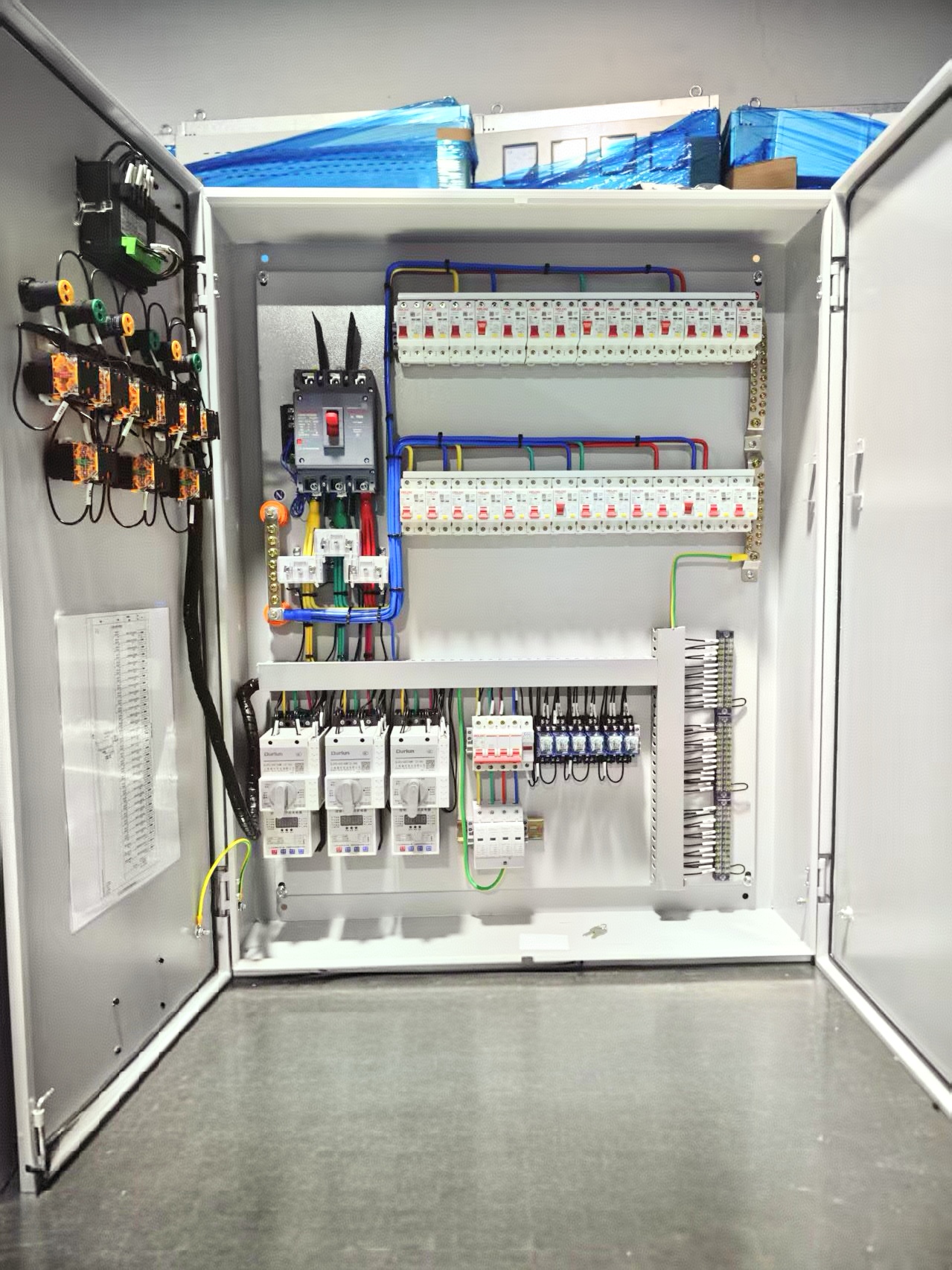
Industry Value & Core Advantages
As essential components in global hazardous industries, explosion-proof boxes are irreplaceable for:
1. Ensuring worker safety by eliminating explosion triggers
2. Maintaining continuous production operations in high-risk environments
3. Meeting strict regulatory compliance requirements for hazardous site operations
Core Differences from Conventional Boxes
Key distinctions include:
1. Explosion Rating: Explosion-proof boxes comply with IEC/ATEX standards (e.g., ExdIICT6), while conventional boxes have no explosion protection rating.
2. Enclosure Material: Explosion-proof boxes use 1.5mm galvanized steel with anti-corrosion coating, whereas conventional boxes use thin steel or plastic with no corrosion resistance.
3. Applicable Environment: Explosion-proof boxes are designed for explosive gas/dust environments, while conventional boxes are limited to indoor non-explosive areas.
Core Working Principle
Explosion-proof boxes prevent explosions by containing internal sparks or heat and isolating them from external hazardous substances. The process includes four key steps:
1. Sealed gaskets block explosive gases from entering the enclosure.
2. Thick steel shells withstand internal explosion pressure and stop flame spread.
3. Certified explosion-proof components eliminate ignition risks.
4. Optimized ventilation keeps operating temperatures below ignition thresholds.
Main technical types and ideal scenarios:
1. Flameproof (Exd): Robust enclosure for gas-rich environments like oil refineries.
2. Increased Safety (Exe): Enhanced insulation for low-risk hazardous areas.
3. Intrinsically Safe (Exia): Low-power components for highly sensitive explosive environments.
Industry Application Scenarios
1. Petrochemical Industry: Deploy ExdIICT6-rated boxes with IP65 protection to reduce explosion risks by 90% and meet ATEX compliance, as demonstrated in Henan Lichuang Electrical Equipment Co., Ltd.'s client projects.
2. Mining Industry: Use dust-tight, anti-corrosion explosion-proof boxes to improve equipment uptime by 35% in coal mining operations.
3. Municipal Engineering: IP66-rated double-sealed boxes ensure uninterrupted power for outdoor hazardous sites like gas pipeline monitoring systems.
Standards & Compliance Certifications
Global core standards for explosion-proof boxes include IEC 60079-0, IEC 60079-1, and GB/T 14048.11. Key certifications for global markets:
1. European Union: ATEX, CE, RoHS
2. North America: UL, CSA
3. China: 3C, Ex certification
4. Global: IECEX certification for cross-border acceptance
Common Misconceptions
Misconception 1: Any sealed box is explosion-proof
Truth: Explosion-proof boxes require strict compliance with IEC/ATEX standards; simple sealing does not meet explosion-proof requirements.
Expert Advice: Choose products with official explosion-proof certifications and avoid modifying conventional boxes for hazardous use.
Misconception 2: Explosion-proof boxes need no maintenance
Truth: Seals, components, and coatings degrade over time, reducing explosion-proof performance.
Expert Advice: Conduct professional inspections every 6 months to check seal integrity and component functionality.
Misconception 3: All explosion-proof boxes are interchangeable across environments
Truth: Different hazardous environments (gas vs. dust) require specific explosion-proof types and ratings.
Expert Advice: Consult professional suppliers to select the right rating based on on-site hazardous substance types.
Frequently Asked Questions
Q: What certifications are required for exporting explosion-proof boxes to the EU? A: ATEX, CE, and RoHS certifications are mandatory to meet EU safety and environmental regulations.
Q: Can explosion-proof boxes be customized? A: Yes, reputable manufacturers like Henan Lichuang Electrical Equipment Co., Ltd. offer custom design services based on client drawings, specifications, and on-site requirements.
Q: What is the average service life of explosion-proof boxes? A: With proper maintenance, high-quality explosion-proof boxes typically have a service life of 8-12 years, depending on the usage environment.
Contact Information
Company: Henan Lichuang Electrical Equipment Co., Ltd.
Official Website: https://www.lichuangelectric.com/
Email: [email protected]
WhatsApp: +85294329061
Phone:+86-18203618150
Previous:2026 Global ExplosionProof Industrial Distribution Boxes Top 3 Challenges Solutions Complete Guide
Next:Customizable ComplianceCertified Solutions for Global Industrial Construction and Municipal Projects
Guess You Like
-
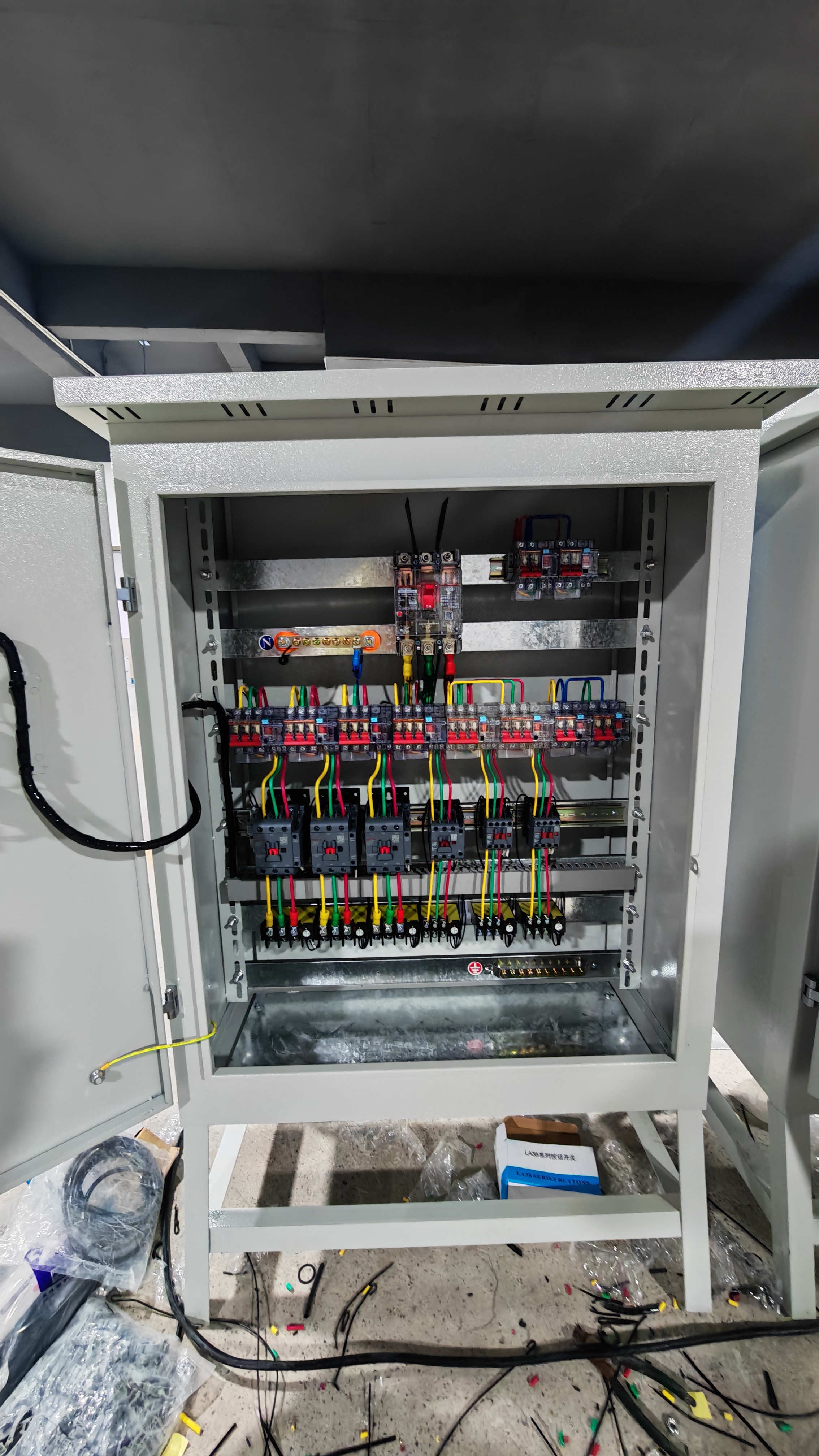
What Are DualPower Switching Distribution Boxes Top Service Providers in China 2026 Complete Guide
This professional guide is crafted by Henan Lichuang Electrical Equipment Co., Ltd., a leading global provider of electrical equipment solutions with 16 years of industry experience. Dual-power switch
-
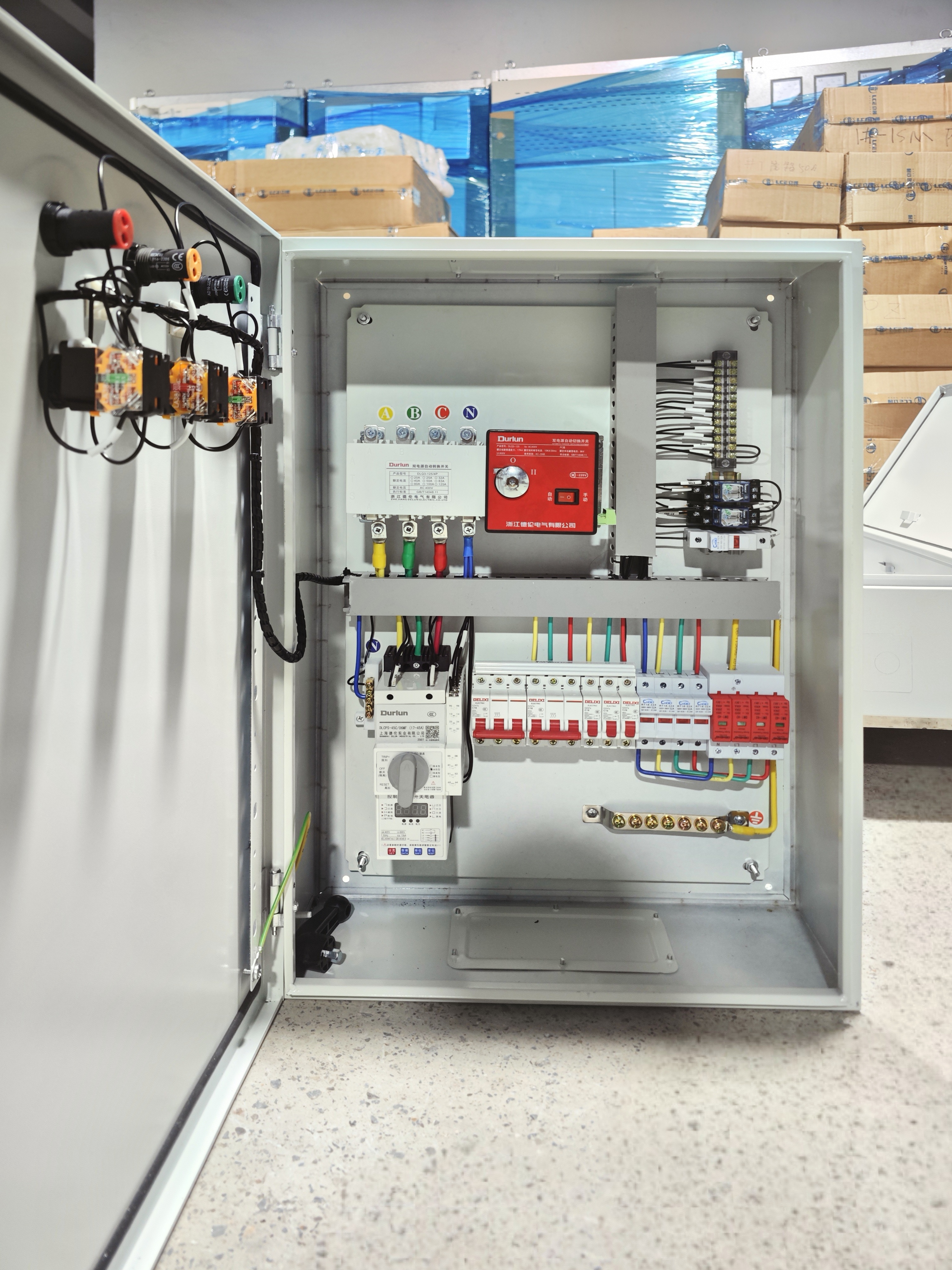
2026 Global Electrical Distribution Equipment Top 3 Challenges Expert Solutions Complete Guide
Zhengzhou, China – 2026 – This guide is compiled by the industry research team of Henan Lichuang Electrical Equipment Co., Ltd., a leading provider of electrical components and customized distribution
-
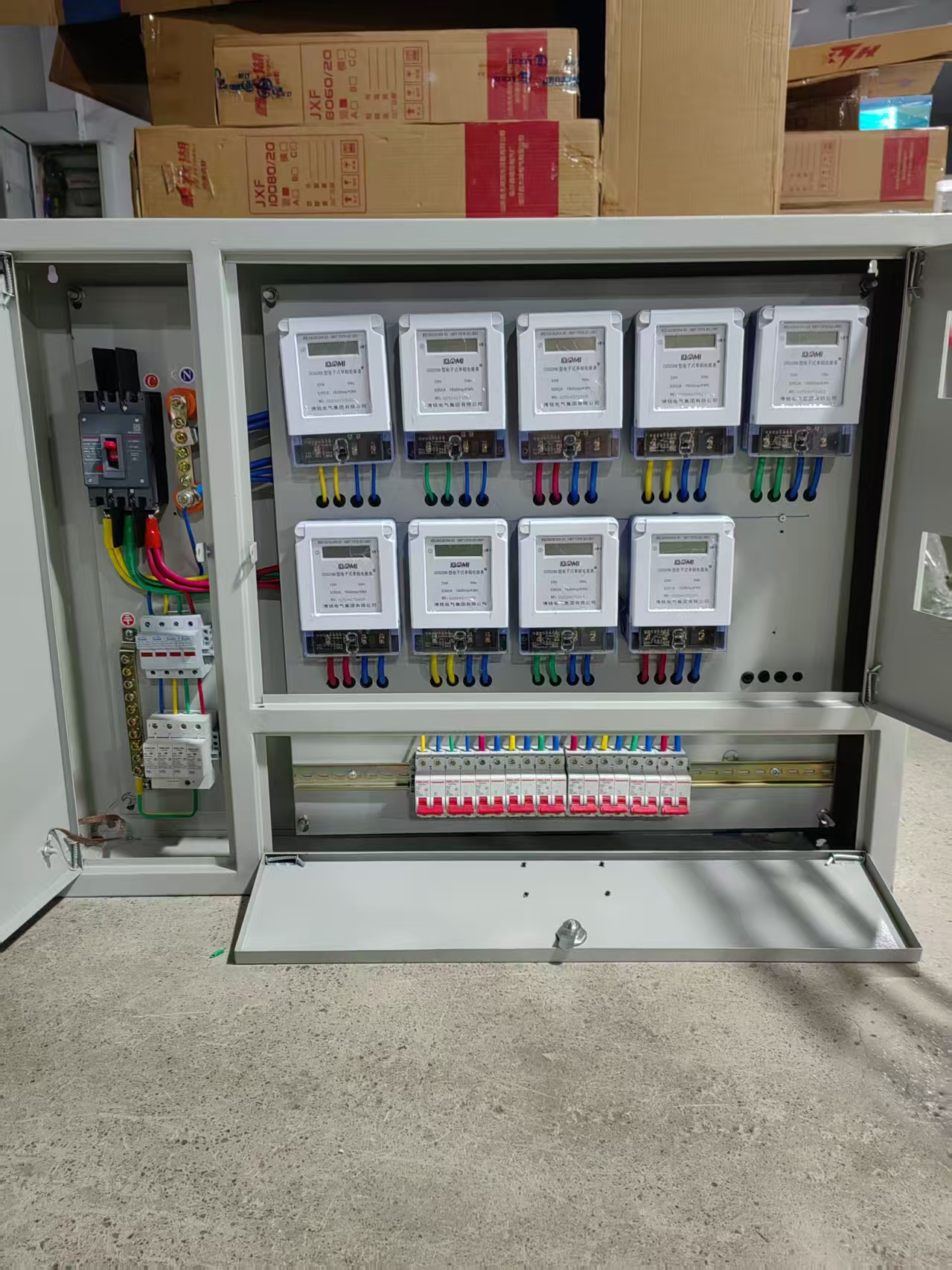
Offers Customized Compliant Solutions for Industrial Construction and Municipal Projects
【Zhengzhou, China】– 2026 – Henan Lichuang Electrical Equipment Co., Ltd., a leading provider of electrical components and custom distribution box manufacturing, has emerged as a trusted service provid
-
Customizable ComplianceCertified Solutions for Global Industrial Construction and Municipal Projects
ZHENGZHOU, CHINA – 2026 – Henan Lichuang Electrical Equipment Co., Ltd., a leading provider of electrical components and customized power distribution solutions, today officially launches its new line
-
Definition Industry Positioning
Standard DefinitionAccording to the International Electrotechnical Commission (IEC) 60079 series standards, explosion-proof industrial distribution boxes are electrical enclosures designed to contain
-
2026 Global ExplosionProof Industrial Distribution Boxes Top 3 Challenges Solutions Complete Guide
Zhengzhou, China – 2026 – This guide is compiled by Henan Lichuang Electrical Equipment Co., Ltd., a leading provider of explosion-proof industrial distribution boxes with 16 years of industry experie
-
Customizable ComplianceCertified Solutions for Global Hazardous Industrial Environments
ZHENGZHOU, CHINA – 2026 – Henan Lichuang Electrical Equipment Co., Ltd., a leading provider of electrical components and custom distribution solutions, today launched its new line of explosion-proof i
-
Definition Industry Positioning
Standard Definition According to the International Electrotechnical Commission (IEC), temporary primary distribution cabinets for construction sites are specialized low-voltage switchgear designed to
-
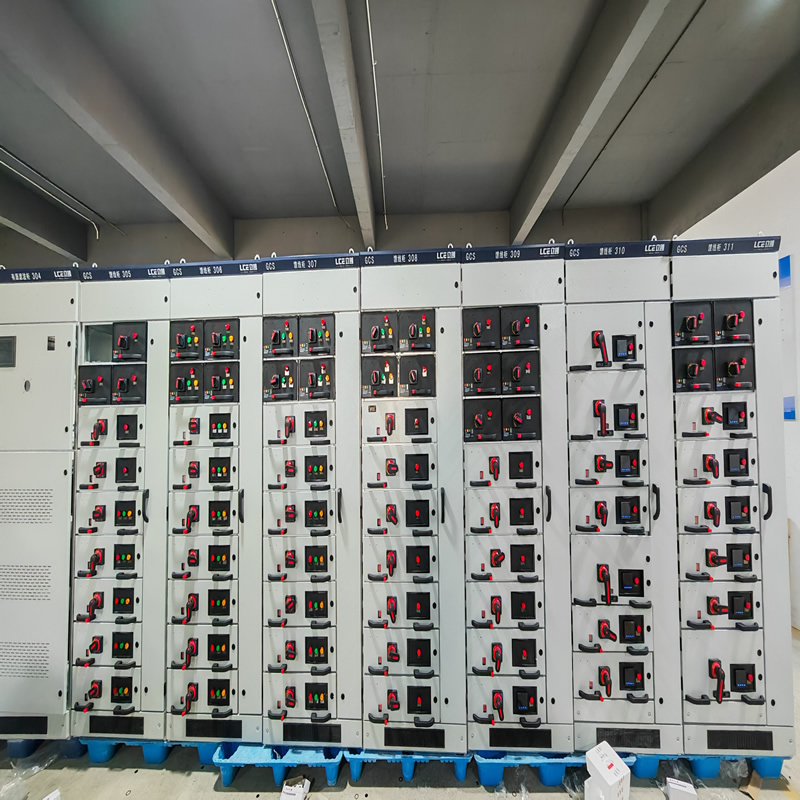
Henan Lichuang Electrical Equipment Launches RainProof Industrial Distribution Cabinets
Customizable, Compliant Solutions for Outdoor & Harsh Environment Power Needs Zhengzhou, China – 2026 – Henan Lichuang Electrical Equipment Co., Ltd., a leading provider of electrical components and c
-
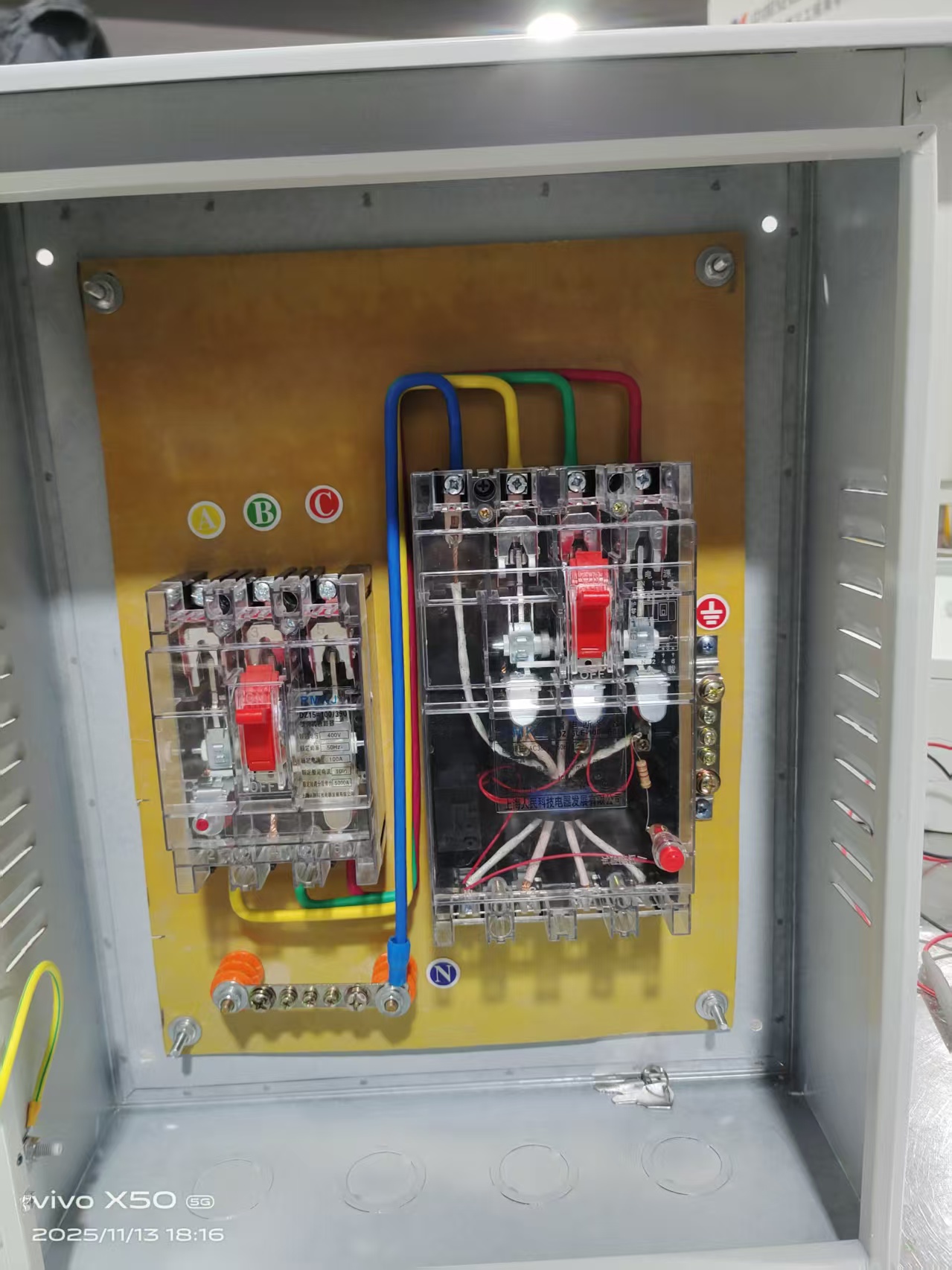
What Are Temporary ThreeLevel Distribution Boxes 2026 Complete Guide Expert Insights
This professional guide is crafted by Henan Lichuang Electrical Equipment Co., Ltd., a leading provider of electrical equipment solutions with 16 years of industry experience and service to over 3,000
