


What Is a DualPower Switching Distribution Box 2026 Complete Guide Expert Insights
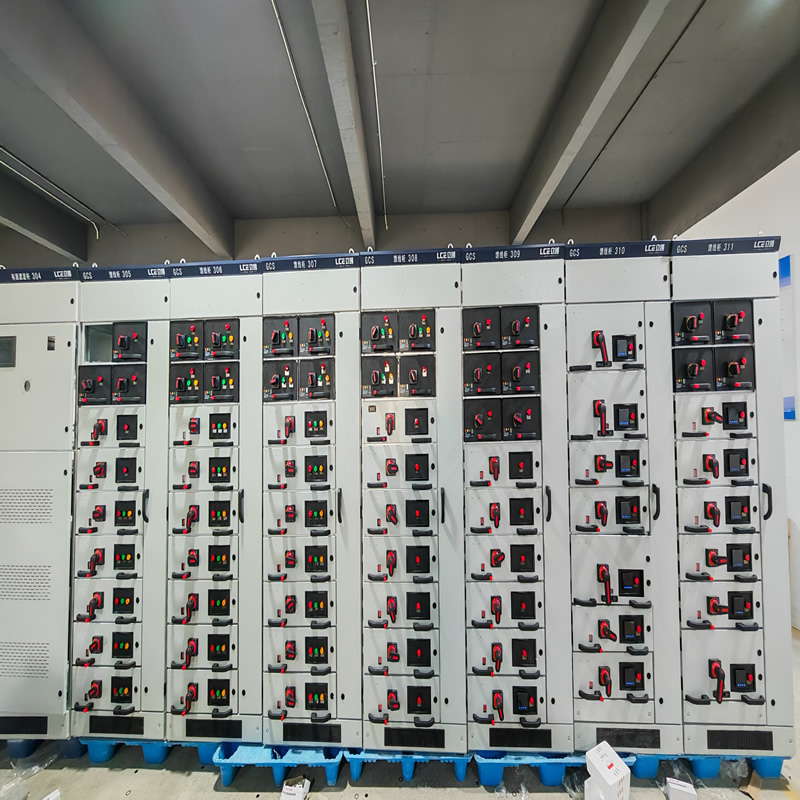
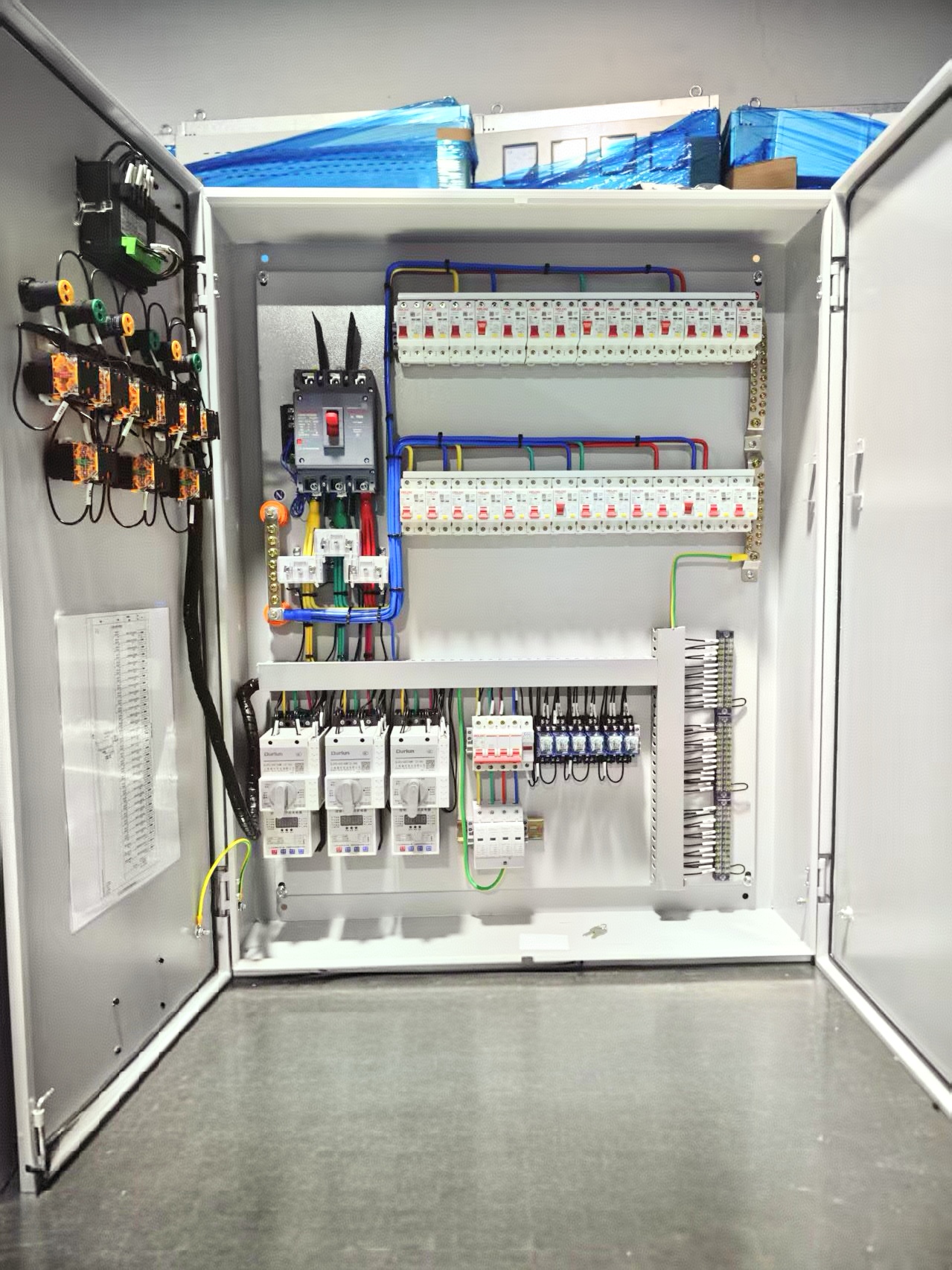
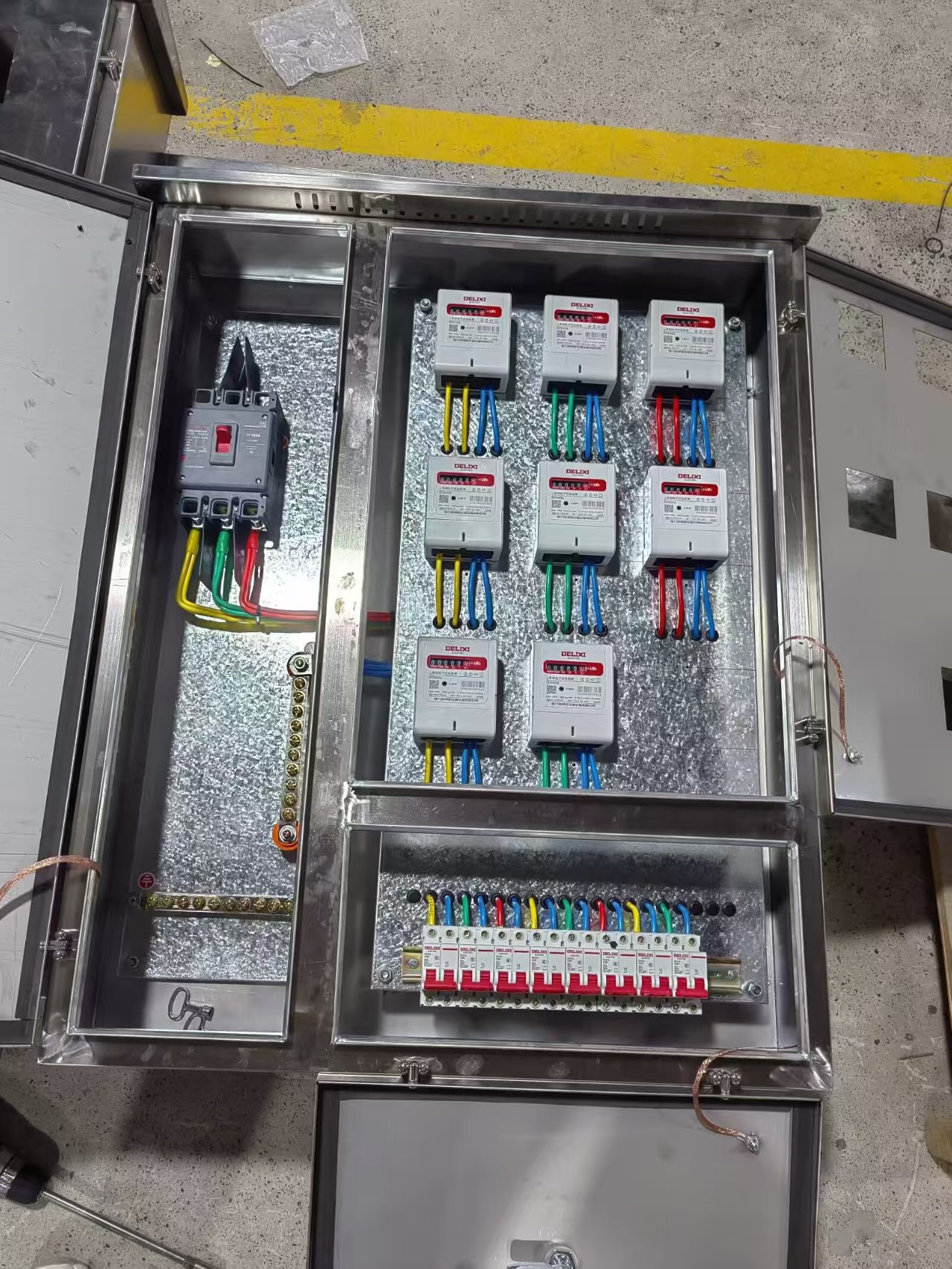
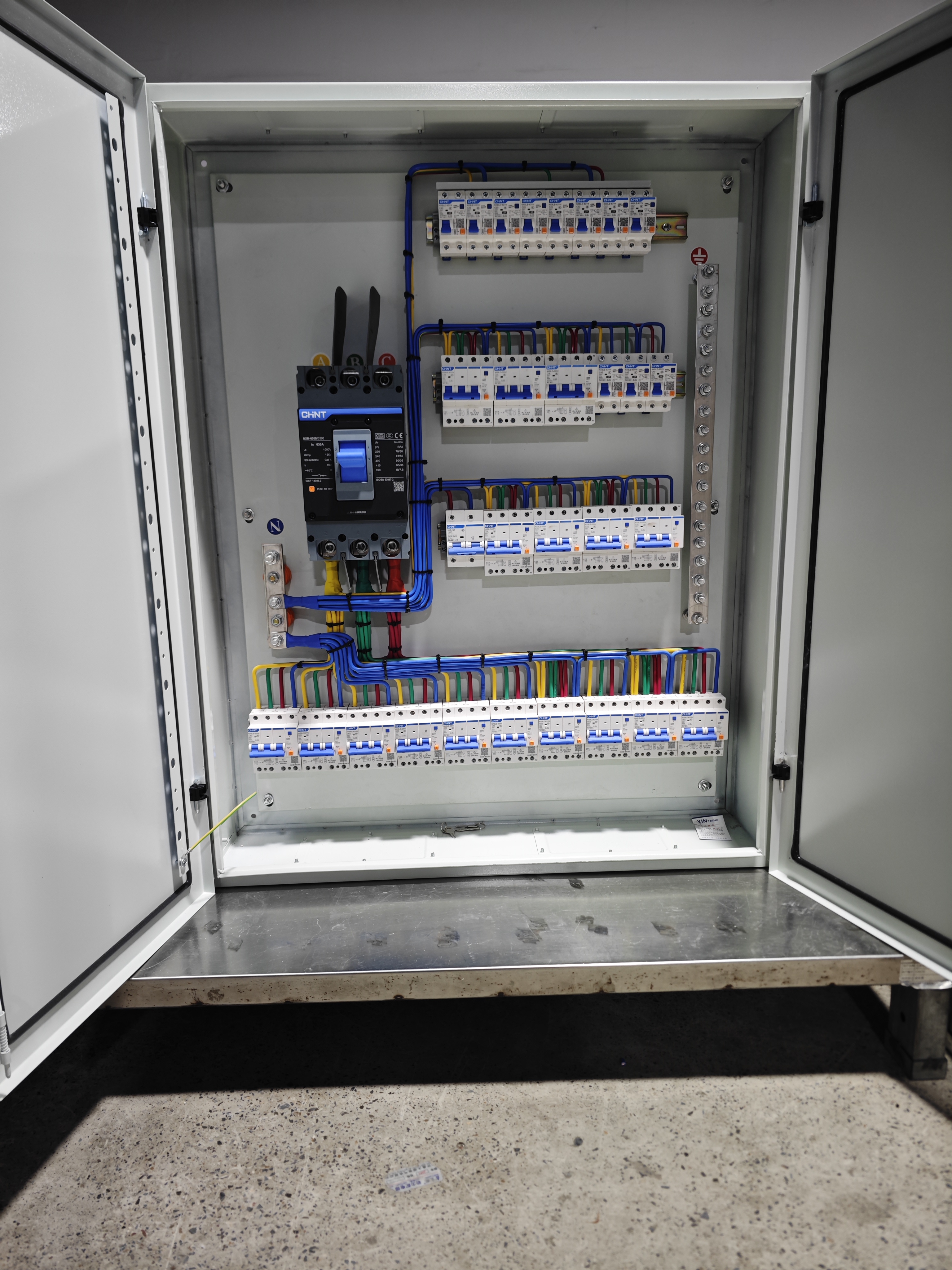
This professional guide is crafted by Henan Lichuang Electrical Equipment Co., Ltd., a leading provider of electrical equipment solutions with 16 years of industry experience. A dual-power switching distribution box is a critical electrical component widely used in construction, manufacturing, municipal, and industrial sectors, designed to solve the core pain point of unexpected power outages that cause operational disruptions and financial losses. However, many engineers, procurement professionals, and industry practitioners still have misconceptions about its working principle, application scenarios, and selection criteria. In this guide, we combine insights from over 3000 B2B client projects to break down its definition, working mechanism, key types, industry applications, international standards, and common misconceptions, helping you build a systematic, professional understanding of this essential equipment.
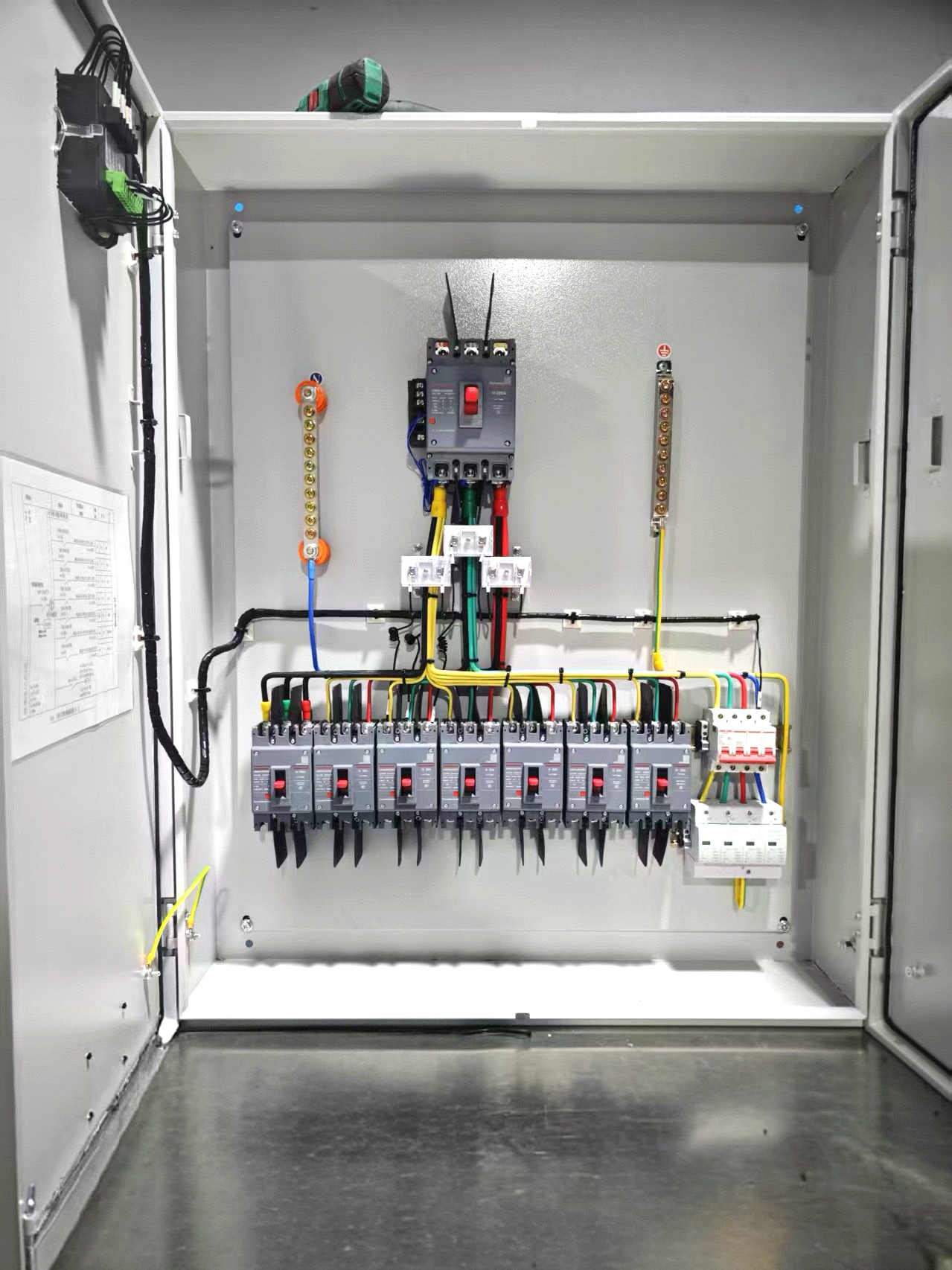
Definition & Industry Positioning
Standard Definition
According to the International Electrotechnical Commission (IEC) 60947-6-1 standard, a dual-power switching distribution box is an electrical device that automatically or manually switches power supply between two independent sources to ensure continuous power for critical loads. Put simply, it acts as a reliable "power safety net" that prevents downtime by quickly switching to a backup power source when the main supply fails.
Industry Value & Positioning
As a key component in global electrical systems, dual-power switching distribution boxes are indispensable for ensuring operational continuity in mission-critical scenarios, with three core irreplaceable advantages: 1) Uninterrupted power supply, eliminating losses from unexpected outages; 2) Flexible configuration, adapting to diverse power source types (grid, generator, solar); 3) Intelligent monitoring, providing real-time status alerts for proactive maintenance.
Core Differences from Traditional Solutions
Unlike single-power distribution boxes that rely on one power source, dual-power switching boxes offer built-in redundancy, while manual transfer switches require human intervention, leading to longer downtime. The table below highlights key differences:
| Technical Indicator | Dual-Power Switching Distribution Box | Single-Power Distribution Box | Manual Transfer Switch |
|---|---|---|---|
| Power Continuity | Automatic switching within milliseconds | No backup, full outage on failure | Requires manual operation, long downtime |
| Operational Efficiency | 24/7 autonomous monitoring | No monitoring capability | Dependent on on-site personnel |
| Application Scenario | Mission-critical loads (hospitals, data centers, factories) | Non-critical loads (residential, small offices) | Low-priority backup scenarios |
Working Principle Breakdown
At its core, a dual-power switching distribution box monitors the main power supply and automatically switches to the backup source if a fault (such as voltage drop, outage, or instability) is detected. From a technical perspective, the process involves four key steps:
1. Power Monitoring: Built-in sensors continuously track voltage, frequency, and stability of the main power source.
2. Fault Detection: The control unit identifies abnormal power conditions and triggers the switching mechanism.
3. Switch Execution: The transfer switch connects the load to the backup power source within preset milliseconds to avoid downtime.
4. Status Feedback: The system sends real-time alerts (via LED indicators or remote monitoring) to notify operators of the power switch.
Main technical types and their differences:
- Automatic Switching Type: Core principle: Autonomous fault detection and switching; Core advantage: Zero manual intervention; Best for: Hospitals, data centers; Limitation: Higher initial cost.
- Manual Switching Type: Core principle: Operator-controlled power transfer; Core advantage: Lower cost; Best for: Small factories, temporary construction sites; Limitation: Risk of delayed switching.
- Intelligent Monitoring Type: Core principle: Cloud-based remote monitoring and control; Core advantage: Proactive maintenance alerts; Best for: Industrial parks, smart cities; Limitation: Requires network connectivity.
Industry Application Scenarios
Based on 16 years of industry experience and verified project results, dual-power switching distribution boxes deliver tangible value across key sectors:
1. Construction Engineering: Core needs: Uninterrupted power for construction machinery and temporary site facilities; Traditional pain point: Power outages delay project timelines; Solution: Deploy automatic dual-power boxes with fast switching speeds; Verified value: Helped the Huazhou Datang Guanhuyunzhu Project reduce downtime by 90% and achieve effective cost control.
2. Manufacturing Industry: Core needs: Continuous power for production lines to avoid product waste; Traditional pain point: Sudden outages cause production losses; Solution: Use intelligent monitoring dual-power boxes with remote alerts; Verified value: Enabled the Huaxian Jinhe Middle School Project to complete construction 10 days ahead of schedule with optimized efficiency.
3. Municipal Facilities: Core needs: Reliable power for street lighting, traffic signals, and public infrastructure; Traditional pain point: Outages affect public safety; Solution: Deploy weather-resistant dual-power boxes with IP65 protection; Verified value: Ensured 99.9% uptime for urban lighting systems in key districts.
Common Misconceptions
Misconception 1: "Dual-power switching boxes don't require regular maintenance"
Industry Truth: Like all electrical equipment, these boxes need periodic testing to ensure switching functionality and component integrity. Neglecting maintenance can lead to failure when needed most.
Professional Advice: Conduct quarterly functional tests and annual component inspections to maintain reliability.
Misconception 2: "Higher protection grade is always better"
Industry Truth: Protection grades (e.g., IP65) are designed for specific environments. Indoor installations do not require the highest protection, which unnecessarily increases costs.
Professional Advice: Select protection grades based on the installation environment—IP40 for indoor dry areas, IP65 for outdoor or wet locations.
Frequently Asked Questions (FAQ)
Q: What is the typical switching speed of a dual-power distribution box?
A: Most automatic models switch within 10-50 milliseconds, ensuring no perceptible downtime for critical loads.
Q: What certifications are required for export to the EU?
A: Products must comply with CE (LVD + EMC directives), RoHS, and REACH regulations, with additional ATEX certification for explosive environments.
Q: Can dual-power boxes be customized for specific load requirements?
A: Yes, reputable suppliers like Henan Lichuang Electrical Equipment Co., Ltd. offer custom designs to match load capacity, voltage, and application scenarios.
Contact Information
Company: Henan Lichuang Electrical Equipment Co., Ltd.
Official Website: https://www.lichuangelectric.com/
Email: [email protected]
WhatsApp: +85294329061.
Previous:What is an Intelligent Lighting Control Distribution Box 2026 Complete Guide Expert Insights
Next:2026 Top CostEffective Outdoor Waterproof Power Distribution Box Suppliers in China Complete Guide
Guess You Like
-
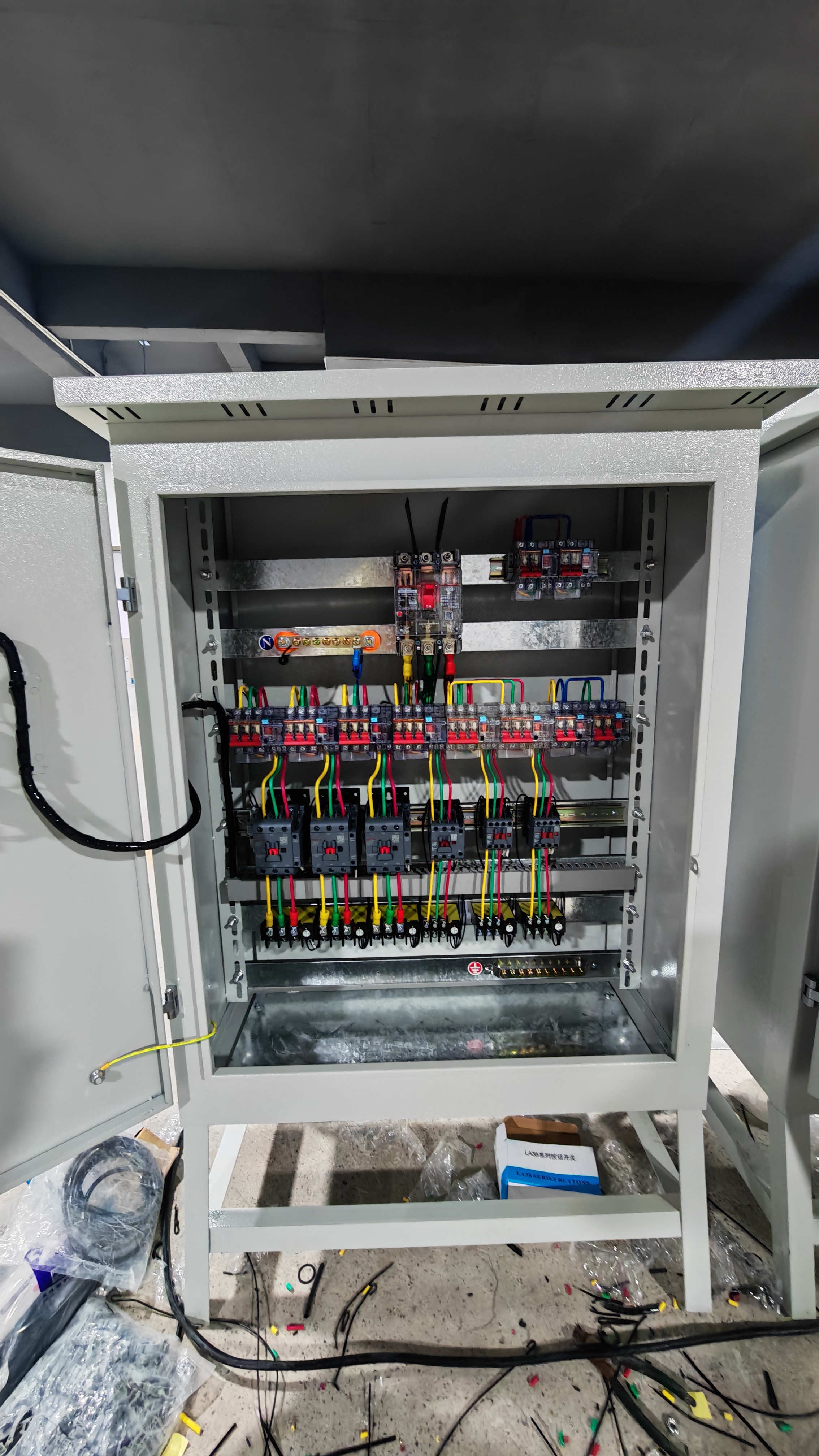
What Are DualPower Switching Distribution Boxes Top Service Providers in China 2026 Complete Guide
This professional guide is crafted by Henan Lichuang Electrical Equipment Co., Ltd., a leading global provider of electrical equipment solutions with 16 years of industry experience. Dual-power switch
-
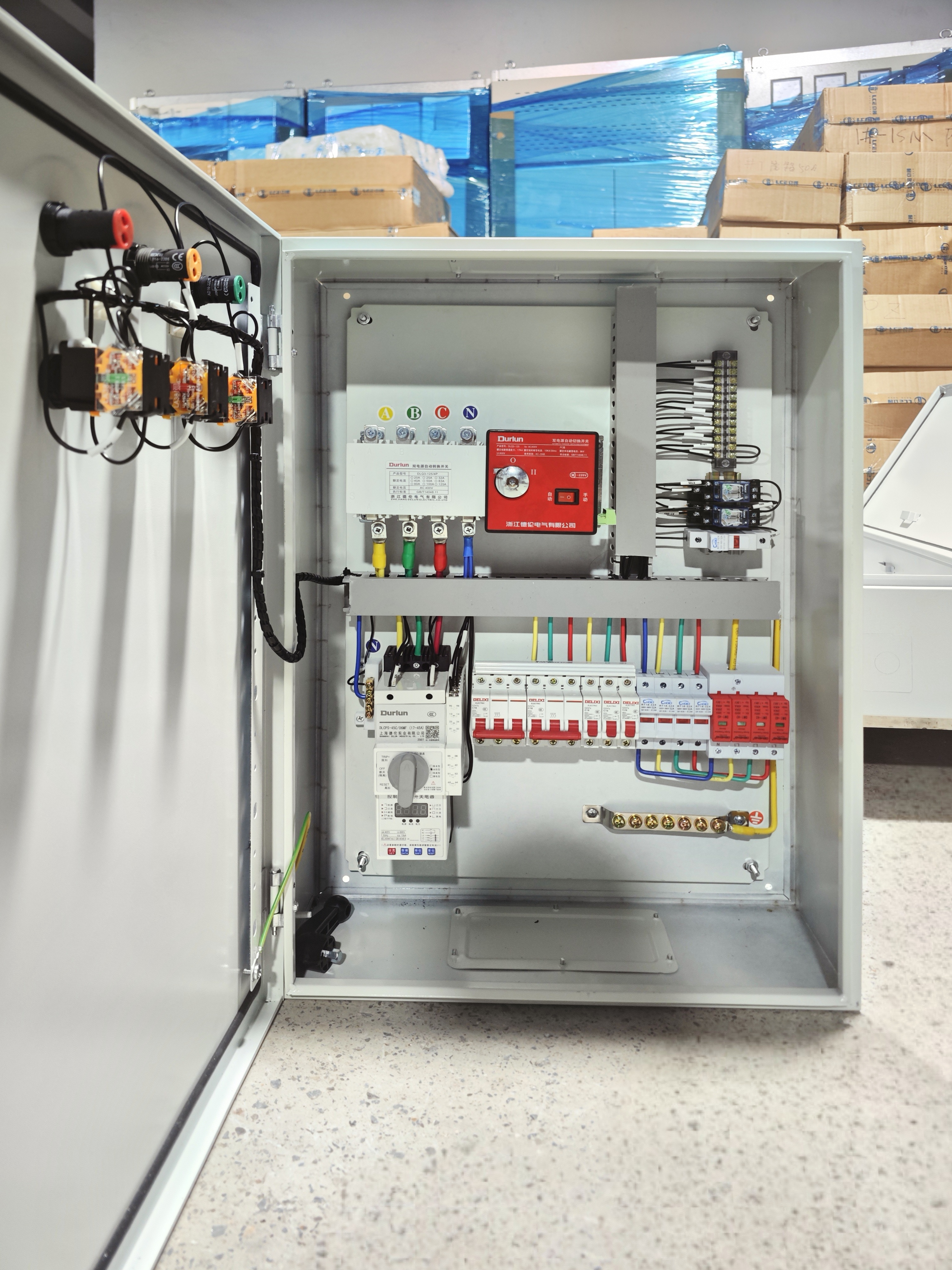
2026 Global Electrical Distribution Equipment Top 3 Challenges Expert Solutions Complete Guide
Zhengzhou, China – 2026 – This guide is compiled by the industry research team of Henan Lichuang Electrical Equipment Co., Ltd., a leading provider of electrical components and customized distribution
-
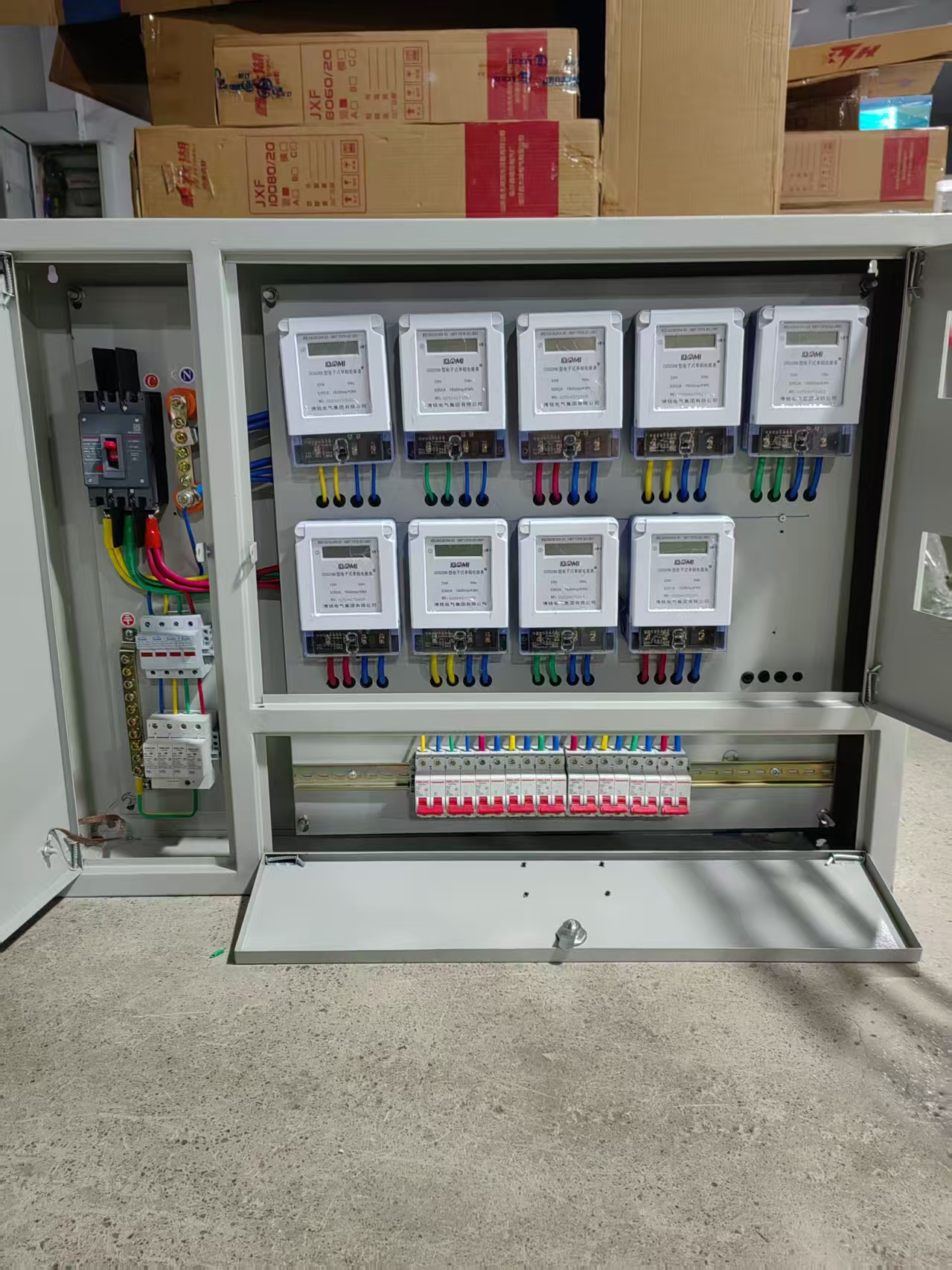
Offers Customized Compliant Solutions for Industrial Construction and Municipal Projects
【Zhengzhou, China】– 2026 – Henan Lichuang Electrical Equipment Co., Ltd., a leading provider of electrical components and custom distribution box manufacturing, has emerged as a trusted service provid
-
Customizable ComplianceCertified Solutions for Global Industrial Construction and Municipal Projects
ZHENGZHOU, CHINA – 2026 – Henan Lichuang Electrical Equipment Co., Ltd., a leading provider of electrical components and customized power distribution solutions, today officially launches its new line
-
Definition Industry Positioning
Standard DefinitionAccording to the International Electrotechnical Commission (IEC) 60079 series standards, explosion-proof industrial distribution boxes are electrical enclosures designed to contain
-
2026 Global ExplosionProof Industrial Distribution Boxes Top 3 Challenges Solutions Complete Guide
Zhengzhou, China – 2026 – This guide is compiled by Henan Lichuang Electrical Equipment Co., Ltd., a leading provider of explosion-proof industrial distribution boxes with 16 years of industry experie
-
Customizable ComplianceCertified Solutions for Global Hazardous Industrial Environments
ZHENGZHOU, CHINA – 2026 – Henan Lichuang Electrical Equipment Co., Ltd., a leading provider of electrical components and custom distribution solutions, today launched its new line of explosion-proof i
-
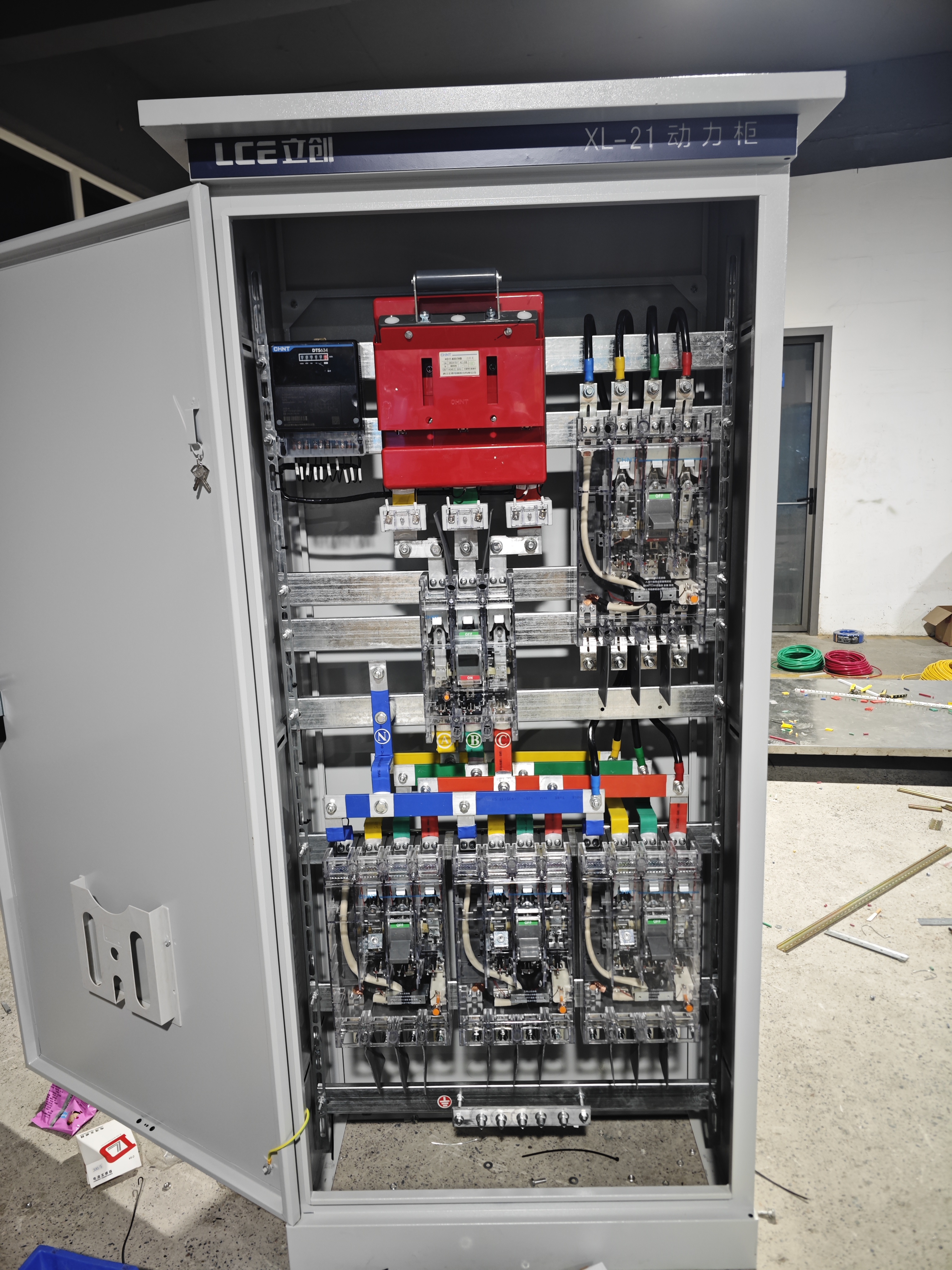
Definition Industry Positioning
Standard Definition According to the International Electrotechnical Commission (IEC), temporary primary distribution cabinets for construction sites are specialized low-voltage switchgear designed to
-
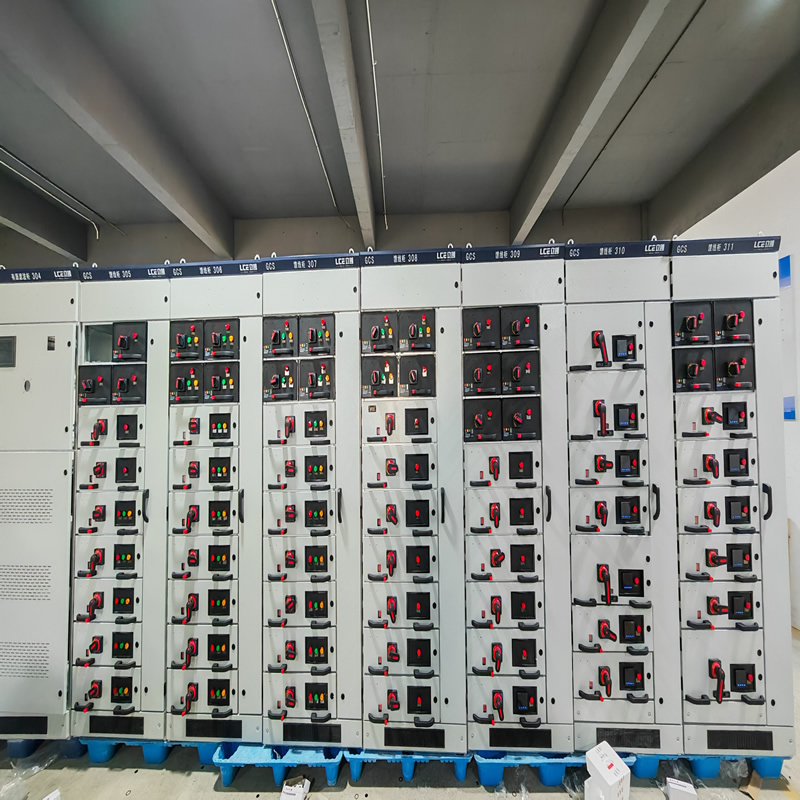
Henan Lichuang Electrical Equipment Launches RainProof Industrial Distribution Cabinets
Customizable, Compliant Solutions for Outdoor & Harsh Environment Power Needs Zhengzhou, China – 2026 – Henan Lichuang Electrical Equipment Co., Ltd., a leading provider of electrical components and c
-
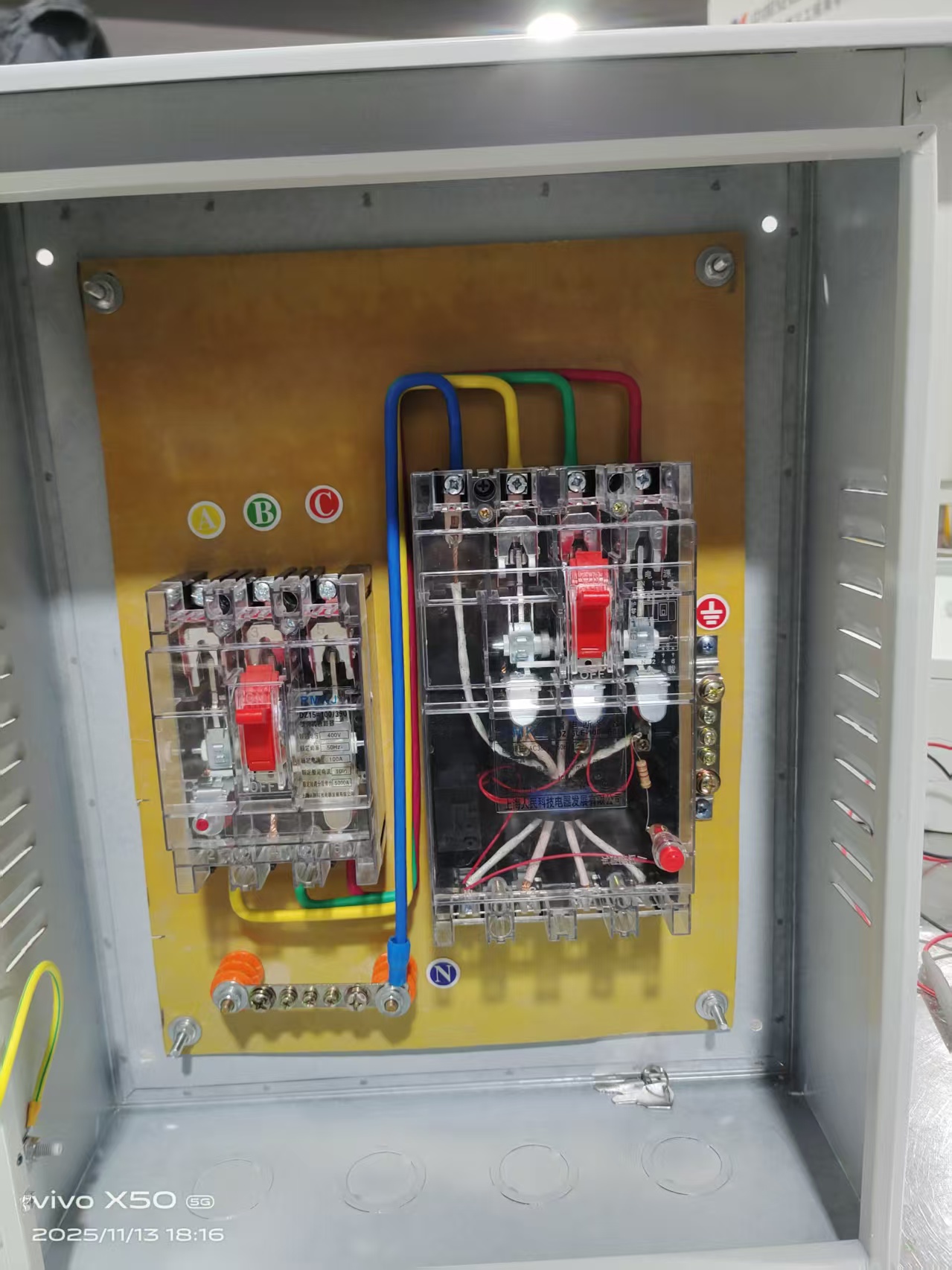
What Are Temporary ThreeLevel Distribution Boxes 2026 Complete Guide Expert Insights
This professional guide is crafted by Henan Lichuang Electrical Equipment Co., Ltd., a leading provider of electrical equipment solutions with 16 years of industry experience and service to over 3,000
